| David Teperson |
|
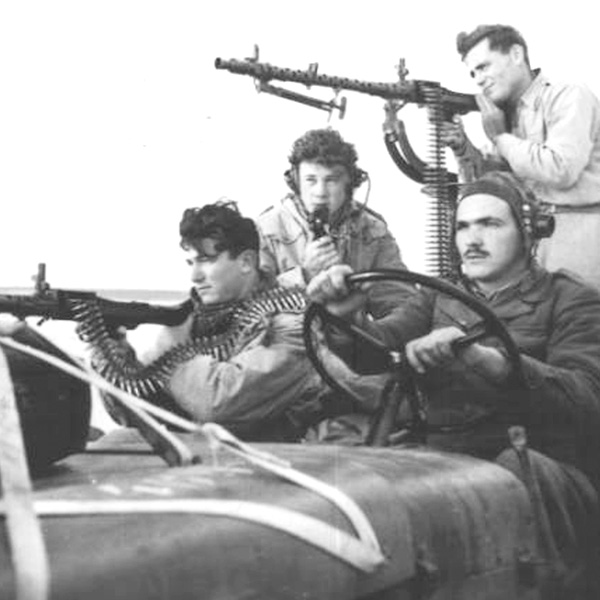
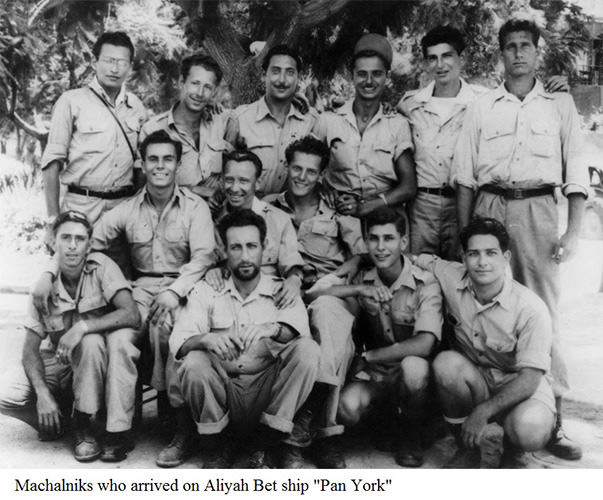
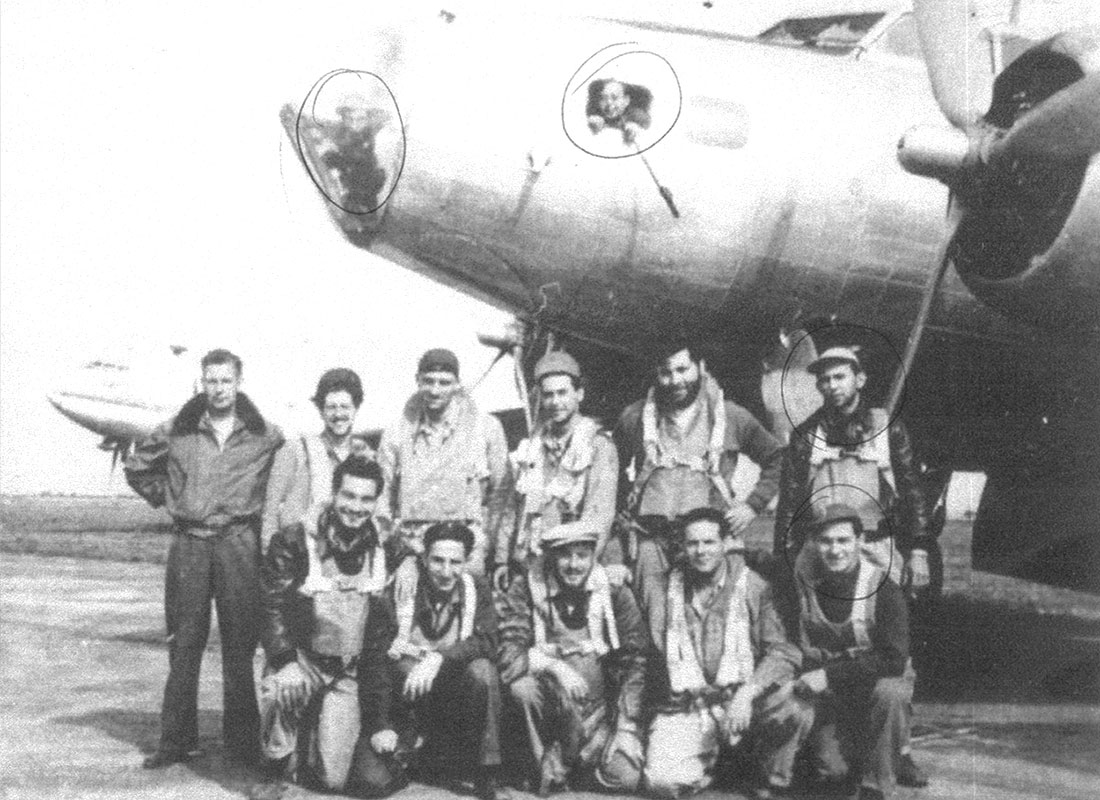
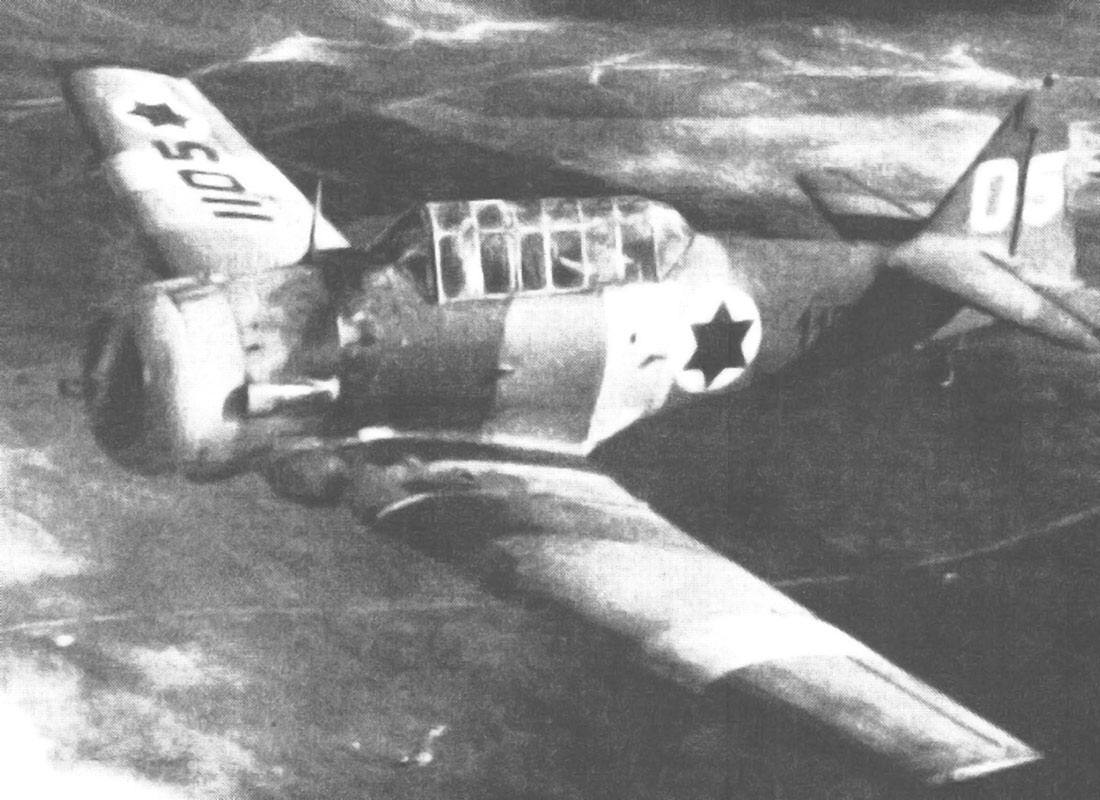
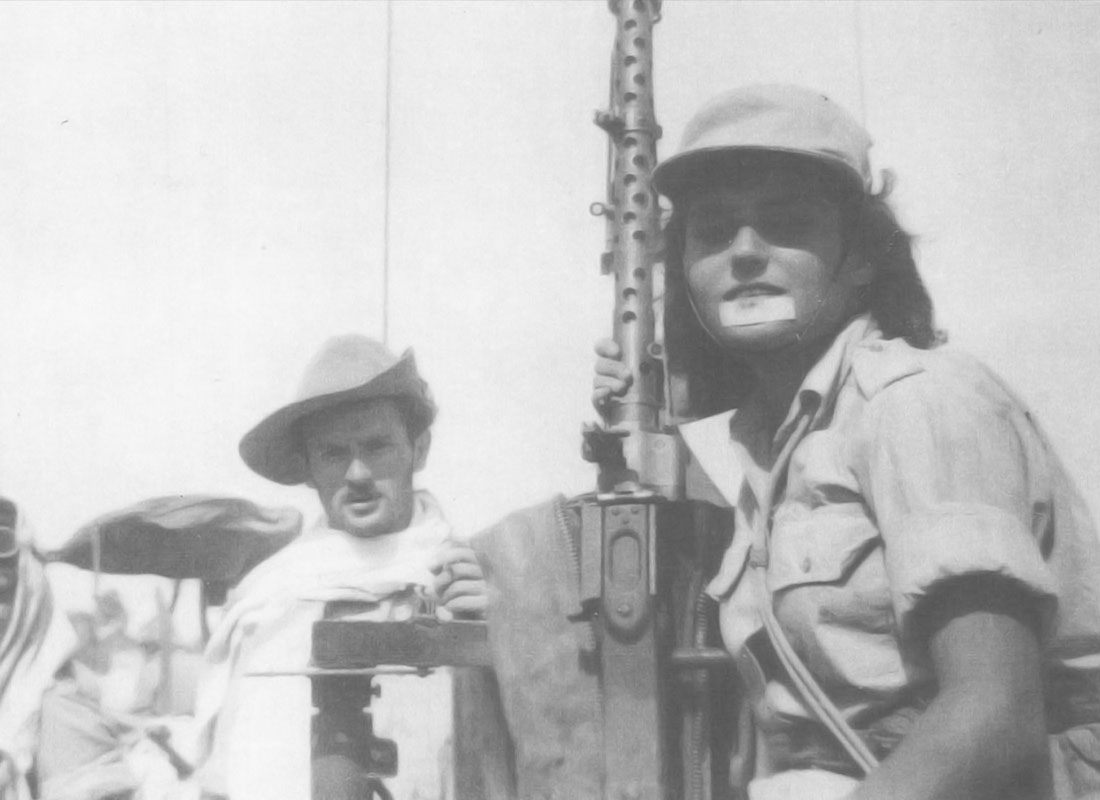
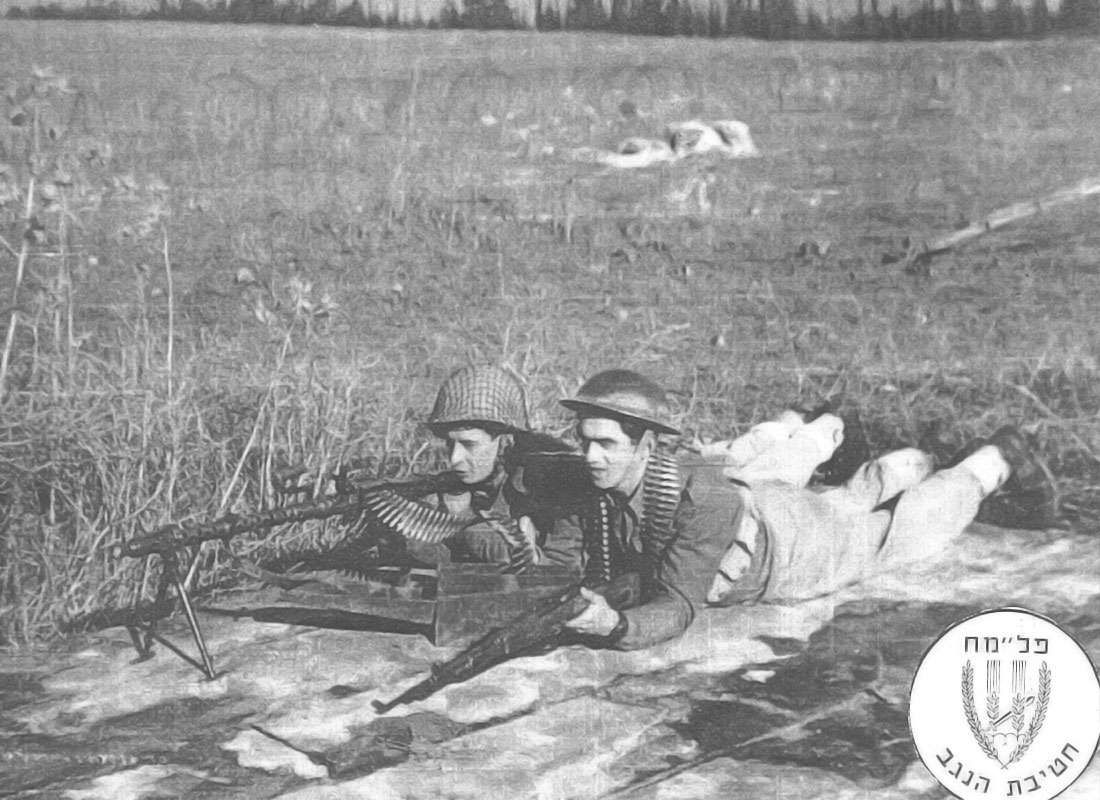
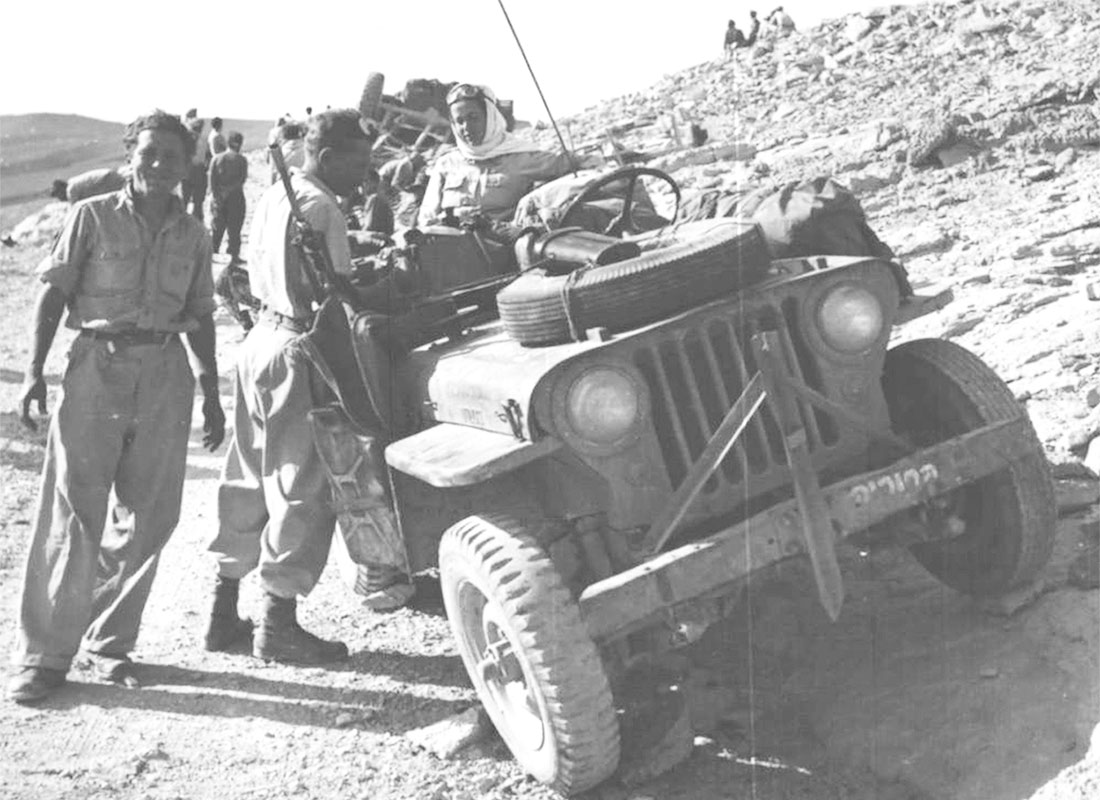
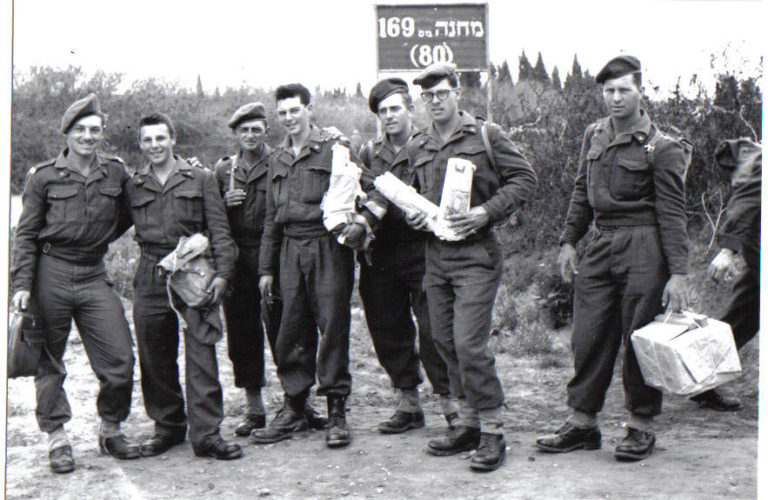
Veterans: From South Africa to Kfar Shmaryahu British Pound added approximately $ viagra no prescription non generic. When you already use medicine for blood pressure levels hypertension, sildenafil will certainly make your hypertension go too lowThe principal efficacy endpoint was the advance from baseline at week in -MWD see generic sildenafil. David (Migdal) Teperson Jan. 10, 2008 Migdal in his den with some of the Machal archives I grew up in South Africa with a gun in my hand and ran barefoot with the Africans," says David Teperson, 81, today director of the Mahal Museum and a reserve colonel in the IDF. When Israel was fighting for survival in 1948 he came, bringing his extraordinary combination of physical prowess - he stands 1.98 meters - fighting experience and a passionate love for the Jewish state. Of the 3,500 to 4,000 Mahal (Hebrew acronym for Foreign Volunteers) men and women from 43 countries who came to fight in the War of Independence, many were veterans of World War II. All were highly motivated soldiers whose contribution to the country's survival was vital. Teperson feels the state has not yet given them the recognition they deserve and one way he combats this is to run the Mahal Museum from his Kfar Shmaryahu home until the thousands of documents and photos can be relocated to the museum the government has undertaken to build at Latrun to honor the 1.5 million Jews who fought in World War II. Keeping the memory of Mahal alive is his passion and he devotes endless time and resources to this project. Unlike many fellow Mahalniks who returned to their countries of origin, Teperson stayed and built his life here. LIFE BEFORE ISRAEL "I was thrown out of 10 schools and they beat the hell out of me," he recalls. Barely able to read and write, he was befriended by the Africans and learned hunting, farming and survival techniques. He never lost sight of his Jewishness - "every day of your life you were reminded of it" - and when Israel was established, he went to Johannesburg, contacted the Zionist Federation and volunteered to go. With his farming experience he was going to be sent to a kibbutz, but he had other plans. He just wanted to join the army and fight. THE JOURNEY "The officer asked me what my religion was. I answered him with my Afrikaans accent that I was a Christian belonging to the Dutch Reformed Church. An Englishman standing in line said, 'Can't you see he's too big to be Jewish and he speaks and looks just like an Afrikaner.'" On May 15, as David Ben-Gurion proclaimed the State of Israel, the group arrived, having traveled by boat from Europe. The forged papers prepared for them by the Hagana were no longer necessary. "At five o'clock in the morning of May 15, we moved towards the Tel Aviv port, being, I think, the first ship to hoist the Israeli flag when entering the port of the new State of Israel." ARRIVAL "We saw it happening from the ship, it was like watching a movie," he recalls. They disembarked an hour later and Jewish Agency officials began processing them. One moving incident remained engraved on his memory. "One of the officials suddenly discovered his brother on board. Each had thought the other had been killed in the concentration camps. They were shouting and hugging each other." SETTLING IN He saw plenty of action during the war, and a year after arriving joined the Palmah Negev Brigade and took part in all the battles in the South, including taking Eilat. He and fellow soldiers witnessed the tragedy of the Altalena affair, which the Mahalniks could not understand, watching Jews killing other Jews. They refused to participate and were given the choice of obeying orders or going to jail. In the end they carried their weapons but without ammunition. Besides fighting and watching friends being killed or wounded, he also met and made many lifelong friendships, but it wasn't until the war ended that he met his wife Shoshana, as pretty today in her 80s as she was in 1949. He had been billeted in her parents' home for Seder night, courted her, asked her father for her hand in a mix of Yiddish and Afrikaans, and married her in August 1949. The couple produced two sons, today businessmen, and a daughter, Idit, a well-known actress with Habimah who inherited her father's height. DAILY LIFE They joined the moshav and, as well as farming, the group started a business, crushing sea shells for chicken feed, but eventually, after a visit to South Africa where Teperson introduced his wife to his parents and friends, Shoshana became pregnant and they decided to move to the city. They rented a one-room apartment in Ramat Gan and David went to work as a building laborer. "I used to leave for Tel Aviv on my bicycle at 5 a.m. and come back at the end of the day, cycling the seven kilometers, mostly uphill. My wife made sandwiches for me from a whole loaf of bread which I would have for breakfast and lunch. I advanced quickly from digging foundations to being a bricklayer's apprentice and learning carpentry." During this time he was called up for his first round of reserve duty in the newly formed Seventh Armored Brigade. He went on to fight in all of the country's wars except the Second Lebanon War - in two of them with his sons. He still does reserve duty. He started his building business in a modest way, doing small remodeling jobs, and financed some of his earliest ventures with an imaginative project. "The only pregnancy test available in those days was the frog test and laboratories needed a supply of frogs. Someone taught me how to catch frogs and I used to go out at night, especially after the first rains started, and catch them armed with a torch between my teeth, rubber boots and two tins with air holes hanging from my belt. Sometimes I earned more money in one night than I earned in a whole month." By the 1960s, he had become a big builder and the struggles of the early days were over. OBSTACLES BEST THING ABOUT ISRAEL ADVICE TO NEW IMMIGRANTS To propose an immigrant for a 'Veterans' profile, please send a one-paragraph e-mail to: This e-mail address is being protected from spambots. You need JavaScript enabled to view it |